

Tentang Kami
High Precision for Optimal Engine Performance

FIM Advantages for Best Performance
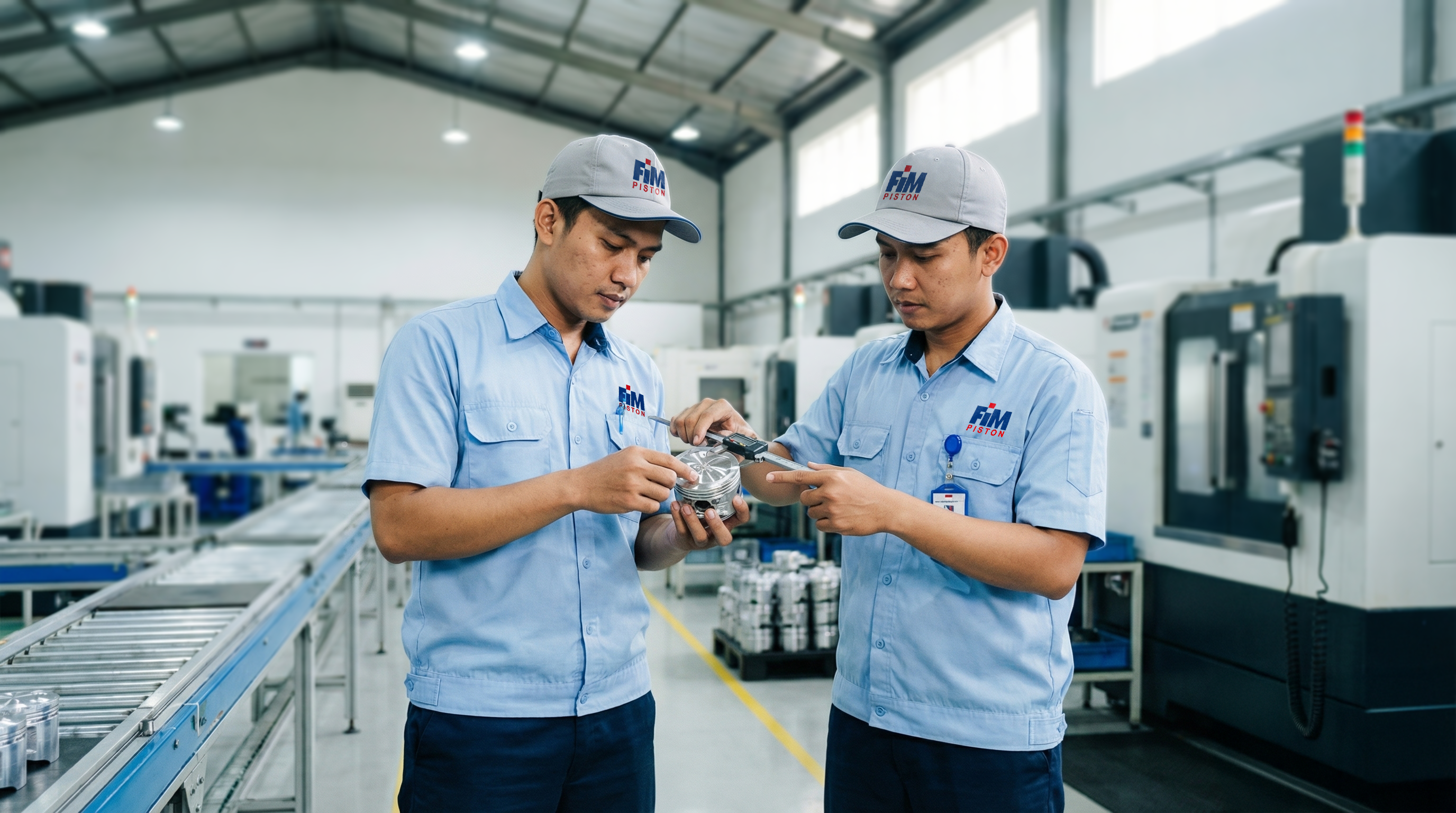
Precision & High Quality Control
Ease of Application & Product Flexibility
Approved By OEM & Racing Team
Continuous Innovation & Astra Support
Advanced Materials and Production Technologies
Precision & High Quality Control
Ease of Application & Product Flexibility
Approved By OEM & Racing Team
Continuous Innovation & Astra Support
Piston Manufacturing Process

01
Casting Process
02
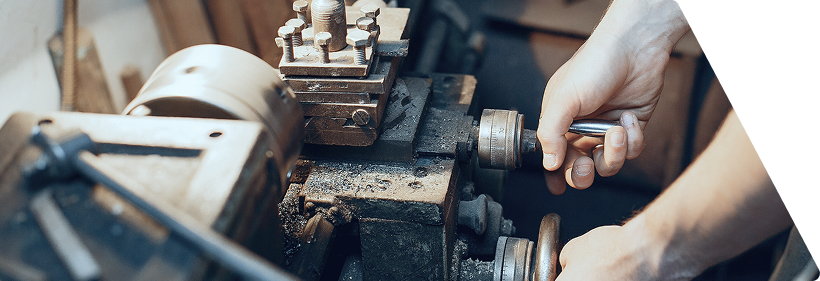
Forging Process
03
CNC Process (Computer Numerical Control)
01
Casting Process
This method involves pouring molten aluminum metal into a mold to form a rough piston. The casting process is ideal for mass-producing standard vehicle pistons, which require good durability for daily use while maintaining optimal cost efficiency.
02
Forging Process
The forging process uses repeated high pressure on solid aluminum billets without melting. The result is a piston with a denser grain structure, higher tensile strength, and the ability to withstand extreme temperatures and pressures. Forged pistons are the go-to choice for high-performance, heavy modification, and professional racing applications.
03
CNC Process (Computer Numerical Control)
A precision finishing stage controlled by computer to turn, drill, and shape pistons to a dimensional tolerance of ±0.004 mm. This covers ring groove formation, piston pin bores, and complex oval profiles unachievable by conventional machines. All CNC-machined results are verified with a CMM (Coordinate Measuring Machine) to ensure consistency and accuracy for every piston.
Many Customers Choice For
FIM Advantages
 Yamaha
 Kawasaki
 Suzuki
 Honda
Honda Mitsubishi
 Toyota
 VespaYamahaKawasakiSuzukiHondaMitsubishiToyotaVespaYamahaKawasakiSuzukiHondaMitsubishiToyotaVespa